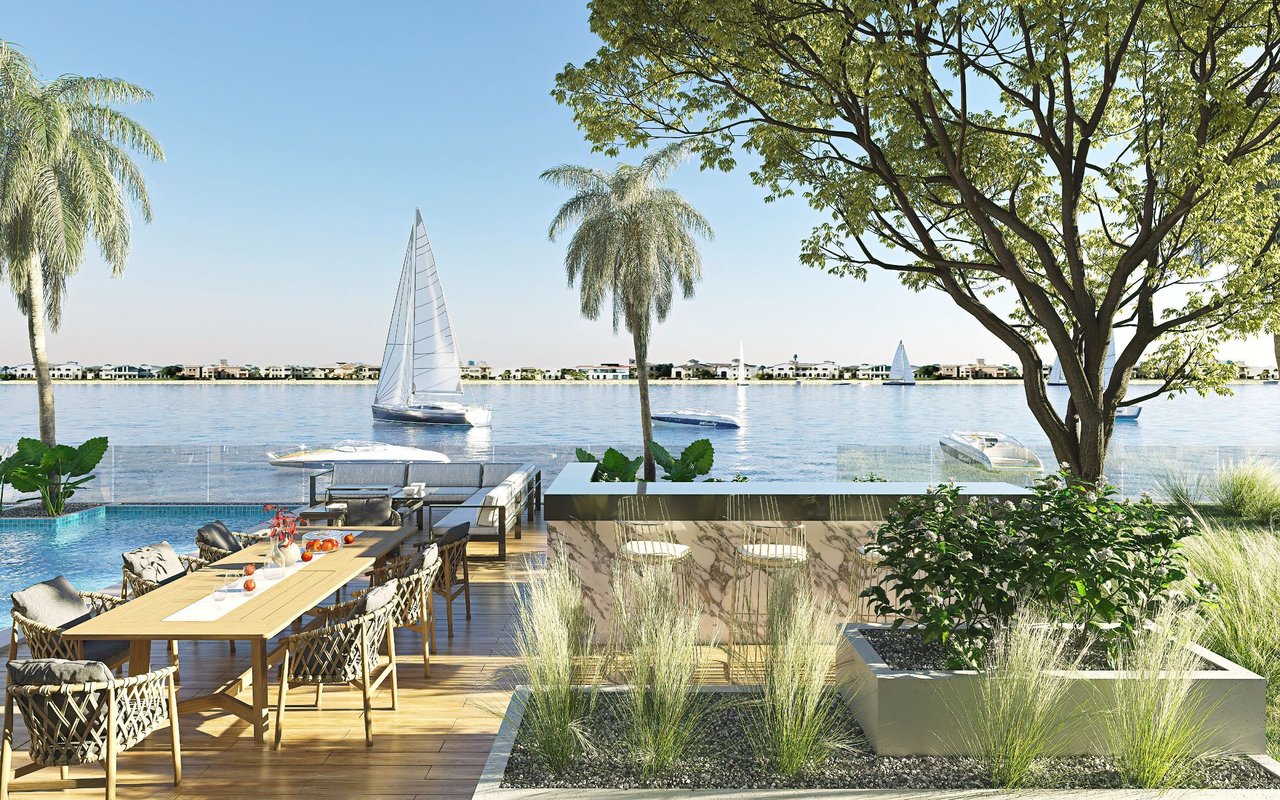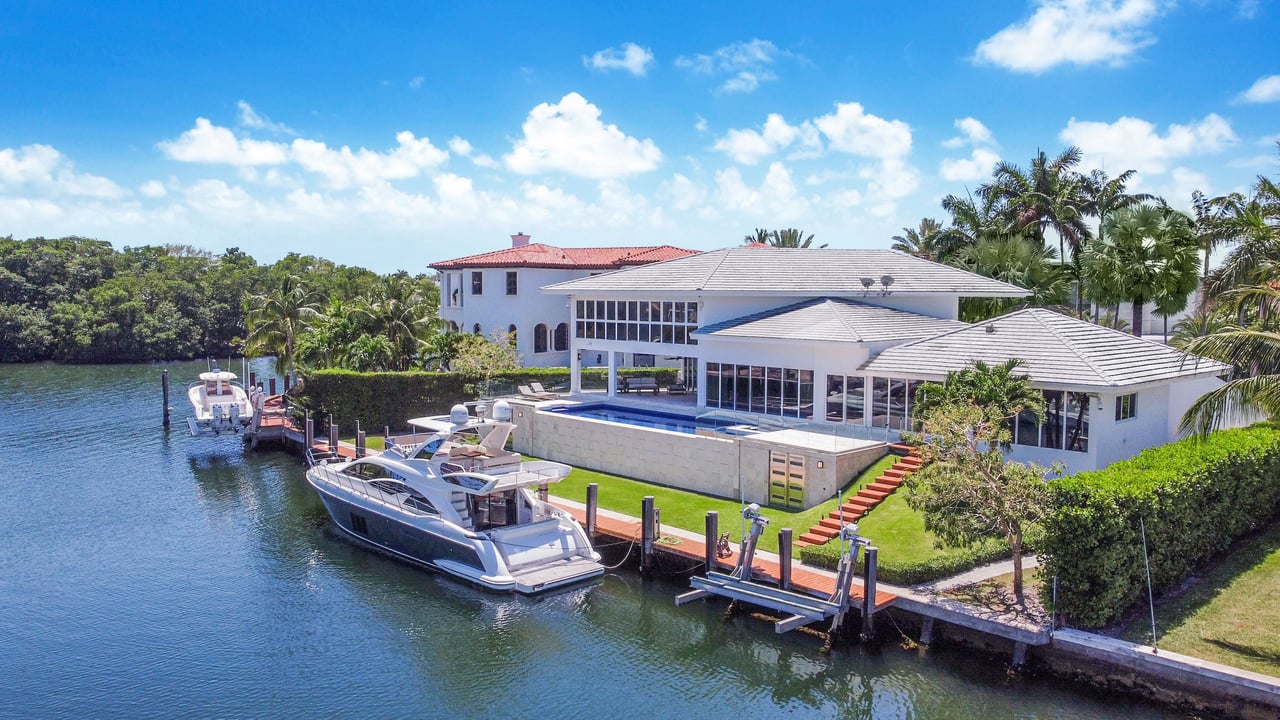
For a lot of buyers, the dream of moving to South Florida isn't just about the sunshine — it's about pulling your own boat up to your own backyard. With hundreds of miles of navigable canals, the Intracoastal Waterway, and direct ocean access in cities like Fort Lauderdale, buying a waterfront home with boat dockage is one of the most sought-after (and most misunderstood) niches in South Florida real estate.
Before you fall in love with a listing photo of a boat tied up out back, there's a lot more to evaluate than square footage and finishes. Here's what buyers need to know about dockage, seawalls, bridge clearance, and everything else that comes with owning a boat-friendly South Florida home.
Deeded Dockage vs. Common Dockage: Know the Difference
This is one of the most important — and most commonly misunderstood — distinctions in waterfront real estate.
Deeded dockage means the dock, or your right to use it, is part of the legal property description and transfers with the home when you buy it. This is what most buyers picture when they imagine "owning" a dock, and it typically offers the most control and long-term certainty.
Common or association dockage, on the other hand, is often the case in condo and townhome communities, where docks are owned collectively by the HOA or condo association and assigned or leased to individual owners — sometimes on a first-come, first-served or waitlist basis. In these cases, your "ownership" of a slip may really be a usage right that can be subject to association rules, fees, or even reassignment.
What to check: Ask your agent or title company to confirm exactly how dockage is conveyed in the property's legal description before you write an offer. This single detail can significantly affect both your day-to-day boating convenience and the property's long-term value.
Riparian Rights: What You're Actually Buying
In Florida, waterfront property owners generally hold what are called riparian rights — the legal rights associated with land bordering water, including reasonable access to and use of the adjacent waterway, and often the right to build a dock (subject to permitting). These rights are tied to the land itself, not a separate deed, which is why a proper title search matters so much for waterfront purchases.
What to check: Have your title company specifically confirm riparian rights are intact and unencumbered, and ask whether there are any easements, shared access agreements, or restrictions tied to the waterfront portion of the lot.
Seawall Condition: The Most Overlooked Inspection Item
A failing seawall can be one of the most expensive surprises in waterfront real estate, sometimes running into six figures to replace. Seawalls take a beating from tidal movement, boat wakes, and storm surge year after year, and problems aren't always visible from a casual walk-through.
What to check:
- Age and material of the seawall (concrete, vinyl, and older wood seawalls all have different expected lifespans)
- Visible cracking, leaning, or separation from the surrounding land
- Whether a marine or seawall-specific inspection has been done recently, separate from your general home inspection
We cover this in more detail as part of our broader storm-readiness checklist — our <a href="https://soflocoastalgroup.com/blog/hurricane-season-home-buying-checklist-south-florida"><strong>Hurricane Season Home-Buying Checklist</strong></a> includes seawall and dock condition as a key inspection item, since both take on additional stress during storm season.
Bridge Clearance and Draft: Can Your Boat Actually Get There?
This is a practical detail that trips up a lot of out-of-state buyers: not every waterfront property offers unrestricted access to the ocean. Fixed bridges along many canal systems have specific vertical clearance limits, and canal depth (draft) varies significantly by neighborhood and even by specific dock location.
What to check:
- Vertical clearance of any fixed bridges between the property and open water, especially if you own a sailboat or a boat with a tall tower
- Water depth at the dock during low tide, not just average conditions
- Whether the route to open water passes through any no-wake zones or manatee protection zones that could affect travel time
Neighborhoods differ significantly here. Areas like Fort Lauderdale's canal system — often nicknamed the "Venice of America" — offer extensive direct or short-bridge access to the Intracoastal and ocean, while some inland canal communities may have more restrictive clearance. Our <a href="https://soflocoastalgroup.com/blog/fort-lauderdale-real-estate-market-update-prices-trends-and-predictions"><strong>Fort Lauderdale Real Estate Market Update</strong></a> covers how this kind of waterfront access continues to drive demand and pricing in the city's canal neighborhoods.
Dock Size, Lift Capacity, and Utilities
Not all docks are created equal, even within the same neighborhood. Buyers with larger vessels, in particular, need to look past "has a dock" and dig into the specifics.
What to check:
- Maximum vessel length and beam the dock can accommodate
- Whether a boat lift is installed, its weight capacity, and its maintenance history
- Available utilities at the dock — shore power, water hookup, and lighting — which matter more than buyers expect if you plan to use the boat regularly or live aboard occasionally
Liveaboard Rules and HOA Restrictions
If you're considering using your boat as an occasional liveaboard, or you simply want flexibility for guests, it's worth checking the rules early. Many municipalities and HOAs have specific restrictions on liveaboard status, boat size, commercial use of a private dock, or even how long a boat can be docked without being actively used.
What to check:
- Municipal codes for the specific city (rules vary meaningfully between cities like Fort Lauderdale, Dania Beach, and Lighthouse Point)
- HOA or condo association rules if the dockage is part of a shared community
- Any restrictions on renting out your dock separately from the home, if that's part of your investment plan
Insurance Considerations for Waterfront and Dockage
Waterfront properties come with their own insurance nuances beyond the standard homeowners policy conversation. Dock and seawall structures are sometimes covered differently than the main dwelling, and flood zone designation is almost always a factor for canal and Intracoastal-front homes specifically.
What to check: Get a full insurance quote — including any separate dock or seawall coverage — before your inspection contingency expires, not after. Our <a href="https://soflocoastalgroup.com/blog/homeowners-insurance-south-florida-what-to-budget-2026"><strong>Homeowners Insurance in South Florida guide</strong></a> walks through flood zones, wind mitigation, and what to expect cost-wise for coastal and waterfront properties specifically.
Permits for Dock Repairs or Modifications
If you're planning to repair, extend, or add a lift to an existing dock after closing, know that dock work in Florida typically requires permitting through the local municipality and, depending on the scope, potentially the Florida Department of Environmental Protection or the Army Corps of Engineers for work affecting navigable waters.
What to check: Ask the seller for permit documentation on any existing dock modifications, and budget extra time if you're planning post-closing dock work — permitting timelines for waterfront structures can run longer than typical residential permits.
Where to Look for Boat-Friendly Waterfront Homes in South Florida
South Florida offers a wide range of waterfront lifestyles depending on your priorities:
- Fort Lauderdale's canal neighborhoods (Rio Vista, Las Olas Isles, Coral Ridge) offer some of the most direct ocean access in the region, with a dense network of navigable canals.
- Dania Beach has become an increasingly attractive, more accessible waterfront option, with ongoing development improving the area's overall appeal. Our breakdown of <a href="https://soflocoastalgroup.com/blog/is-dania-beach-the-best-value-near-the-water-a-real-estate-breakdown-2026"><strong>Dania Beach as a waterfront value</strong></a> is worth a read if budget flexibility matters as much as location.
- Gated waterfront communities in Broward County often combine dockage with additional amenities and security — our <a href="https://soflocoastalgroup.com/blog/best-gated-communities-in-broward-county-ranked-for-2026"><strong>Best Gated Communities in Broward County</strong></a> roundup highlights several boat-friendly options.
If you're weighing a waterfront purchase as part of a longer-term investment decision, our <a href="https://soflocoastalgroup.com/blog/what-makes-a-neighborhood-a-good-investment-7-signs"><strong>What Makes a Neighborhood a Good Investment</strong></a> guide applies the same due-diligence mindset — insurance costs and flood zone designation, in particular, matter just as much for waterfront resale value as they do for any other property type.
Frequently Asked Questions
What's the difference between deeded dockage and a boat slip lease? Deeded dockage is part of the property's legal description and transfers with ownership. A leased or association-assigned slip is a usage right, often subject to separate rules, waitlists, or fees, and doesn't carry the same permanence as a deeded dock.
Do I need a separate inspection for a seawall or dock? It's highly recommended. A standard home inspection typically doesn't include a detailed marine or seawall assessment, so it's worth hiring a specialist, especially for older waterfront properties.
Can I add a boat lift to an existing dock after I buy the home? In most cases, yes, but it will require permitting through the local municipality and sometimes additional state or federal review depending on the scope of work and the waterway involved.
Is flood insurance required for waterfront homes in South Florida? It's generally required by lenders for properties in FEMA-designated flood zones, which includes most canal-front and Intracoastal-front properties in the region. It's worth getting a quote early in your search process.
How much does bridge clearance actually matter? It can matter significantly if you own a sailboat, a boat with a tall tower, or anything with notable vertical height, since some fixed bridges have limited clearance that could prevent direct ocean access without a detour.
Let SoFlo Coastal Group Help You Make the Move
Buying waterfront isn't just about finding a home with a dock — it's about making sure that dock, seawall, and access actually fit the way you plan to live and boat. We help buyers navigate the details that matter most in South Florida's waterfront market, from deeded dockage and bridge clearance to insurance and permitting.
Ready to start your waterfront search? Browse current listings on our <a href="https://soflocoastalgroup.com/home-search/"><strong>Home Search page</strong></a>, explore our <a href="https://soflocoastalgroup.com/neighborhoods"><strong>Neighborhood Guides</strong></a> to compare boat-friendly areas, or <a href="https://soflocoastalgroup.com/contact"><strong>get in touch</strong></a> and we'll help you evaluate any waterfront property with dockage top of mind.
Disclaimer: This article is for educational purposes only and is not legal, engineering, or insurance advice. Riparian rights, permitting requirements, and insurance regulations vary by property and change over time — always verify current details with a licensed professional before making a purchasing decision.
📲 Melissa Naman, REALTOR® | The SoFlo Coastal Group Buy, Sell, Rent & Invest in Southeast Florida Call/Text: 732-754-9323 | Instagram: @melissa.buy.sell.invest
Whether you're a first-time homebuyer, a seasoned investor, or planning a move to Florida, I'm here to guide you through each milestone with clarity and confidence.