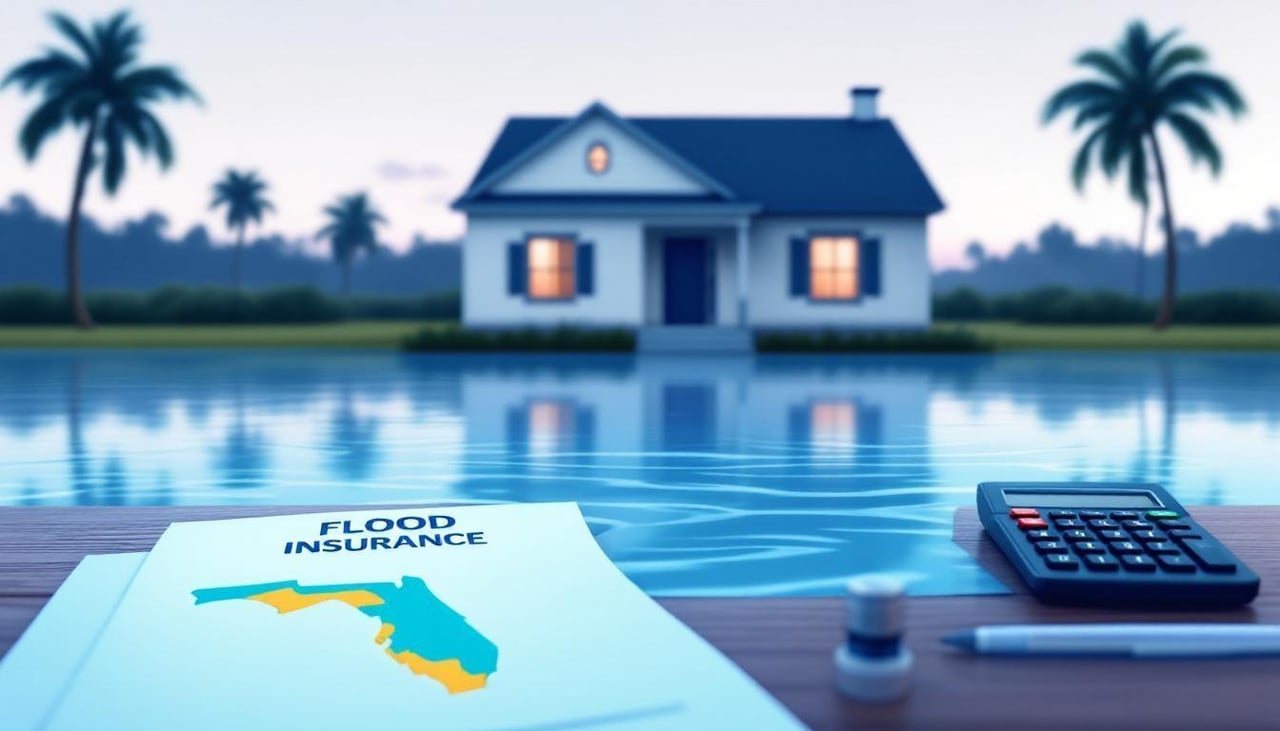
If you've started house hunting in South Florida, you've probably noticed a line item on listings or disclosures that reads something like "Flood Zone: AE" or "Flood Zone: X." For a lot of buyers, especially those relocating from out of state, this is one of the most confusing — and most important — pieces of information in the entire transaction.
Understanding Florida flood zones isn't just a box to check before closing. It directly affects whether flood insurance is required, how much that insurance will cost, how your lender evaluates the property, and even how easily you'll be able to sell the home down the road. Here's what every South Florida buyer should know about flood zone designations before making an offer.
What Is a Flood Zone, Exactly?
A flood zone is a geographic designation created by the Federal Emergency Management Agency (FEMA) that indicates a property's level of flood risk, based on factors like elevation, proximity to water, and historical flooding data. These designations are mapped out on what's called a Flood Insurance Rate Map (FIRM), and they're the basis lenders and insurers use to determine flood insurance requirements and pricing.
It's important to understand that a flood zone designation applies to a specific property, not a general neighborhood reputation. Two homes a few blocks apart — or even next door to each other — can carry different flood zone designations depending on elevation and other mapped factors.
Decoding the Letters: What Each Flood Zone Designation Means
FEMA flood zones are labeled with letters, and each one tells a different story about risk level and insurance requirements.
Zone X (and Zone X Shaded)
This is the lowest-risk designation. Zone X areas are generally outside the mapped 500-year floodplain, and flood insurance is typically not required by lenders here, though it's still optional and, in a state as flat as Florida, often still worth considering. Shaded Zone X (sometimes labeled Zone B on older maps) indicates a moderate risk area, generally within the 500-year floodplain but outside the higher-risk 100-year floodplain.
Zone A, AE, AH, and AO
These are all designations within the Special Flood Hazard Area (SFHA), commonly referred to as the 100-year floodplain — meaning there's roughly a 1% annual chance of flooding in these areas. This is where flood insurance becomes mandatory if you have a federally backed mortgage.
- Zone A indicates high-risk flood areas without detailed base flood elevation data calculated.
- Zone AE is the most common designation across much of South Florida's inland and canal-front areas — high risk, but with a specific base flood elevation established, which is used to calculate insurance premiums more precisely.
- Zone AH typically indicates areas of shallow flooding, often with pooling or ponding water, usually one to three feet deep.
- Zone AO indicates areas prone to shallow, sheet-flow flooding, often found near the base of slopes, though this designation is less common in flat South Florida terrain.
Zone V and VE
These are the highest-risk designations, reserved for coastal areas directly exposed to wave action — think beachfront and immediate oceanfront properties. Zone VE includes a calculated base flood elevation, while Zone V does not. Insurance in these zones is typically the most expensive, given the combined risk of flooding and wave impact during a storm.
Why Your Flood Zone Matters for Financing
If you're financing your purchase with a federally backed loan (which covers the vast majority of conventional, FHA, and VA mortgages), your lender is legally required to verify whether the property sits in a Special Flood Hazard Area. If it does, flood insurance becomes a mandatory condition of closing — not optional, and not something you can skip to save money upfront.
This is one of the reasons it's smart to check a property's flood zone designation before you fall in love with it or write an offer, since it directly affects your total monthly housing cost and, in some cases, your loan approval timeline. Our <a href="https://soflocoastalgroup.com/blog/how-to-buy-a-home-in-florida-if-youre-relocating-from-out-of-state"><strong>guide to buying a home in Florida as an out-of-state buyer</strong></a> walks through the full financing process, including where flood zone verification fits into your timeline.
Why Your Flood Zone Matters for Insurance Costs
Flood insurance is a completely separate policy from standard homeowners insurance, and pricing varies significantly based on your flood zone, elevation, and the specific characteristics of the structure. Higher-risk zones (A-series and V-series) generally carry higher premiums, while Zone X properties often qualify for lower-cost, though not automatically free, coverage.
This is just one piece of the broader insurance picture South Florida buyers need to budget for. Our <a href="https://soflocoastalgroup.com/blog/homeowners-insurance-south-florida-what-to-budget-2026"><strong>Homeowners Insurance in South Florida guide</strong></a> breaks down flood insurance alongside wind coverage and standard homeowners policies, so you can budget for the full picture rather than just one piece of it.
Elevation Certificates: The Document That Can Save You Money
An elevation certificate is a survey document that establishes a property's exact elevation relative to the base flood elevation for its zone. This document can meaningfully affect your flood insurance premium — sometimes significantly — because it gives insurers precise data instead of relying on zone-wide averages.
Why this matters for buyers: If a home sits higher than the minimum required elevation for its zone, an elevation certificate can help you secure a lower premium than the zone designation alone might suggest. If the seller doesn't already have one on file, it's often worth ordering one before finalizing your insurance quote, especially for homes in AE or VE zones where the cost difference can be substantial.
Flood Zone Doesn't Always Equal Flood Risk (In Either Direction)
Here's a nuance a lot of buyers miss: FEMA flood zone maps are based on historical and modeled data, not a guarantee of what will or won't happen in any given storm. Properties in Zone X have flooded during major rain events or hurricanes, particularly in low-lying South Florida neighborhoods with drainage challenges, even though flood insurance wasn't required there. Conversely, some homes in mapped high-risk zones have never experienced flooding due to favorable elevation or nearby drainage infrastructure.
This is exactly why we recommend looking beyond the flood zone letter alone during due diligence. Checking lot grading, drainage patterns, and the home's actual elevation certificate gives you a fuller picture than the zone designation by itself. We cover this same idea in our <a href="https://soflocoastalgroup.com/blog/hurricane-season-home-buying-checklist-south-florida"><strong>Hurricane Season Home-Buying Checklist</strong></a>, which includes drainage and water intrusion history as a specific inspection item.
FEMA Flood Maps Are Updated — and That Can Change Your Zone
FEMA periodically remaps areas based on updated elevation data, development changes, and climate modeling, which means a property's flood zone designation can change over time — sometimes moving a home into a higher-risk category, and sometimes moving it into a lower one. If you're buying in an area that's had recent development or drainage improvements, it's worth asking your agent or title company whether any remapping is in progress or recently completed, since this can affect your insurance costs down the road, even if it doesn't affect them at closing.
How Flood Zone Affects Long-Term Resale Value
Flood zone designation isn't just a closing-day consideration — it's a factor that follows the property for as long as you own it, and it affects the pool of future buyers when you eventually sell. Homes in lower-risk zones, or those with favorable elevation certificates, are generally easier to insure affordably, which tends to support a broader, more price-sensitive buyer pool at resale. This is one of the reasons we list insurance and flood zone designation among the key factors in our <a href="https://soflocoastalgroup.com/blog/what-makes-a-neighborhood-a-good-investment-7-signs"><strong>What Makes a Neighborhood a Good Investment</strong></a> guide — it's a long-term ownership cost, not just a one-time closing expense.
This is especially relevant for waterfront and canal-front buyers, where flood zone designation is almost always a factor given proximity to water. If you're specifically considering a home with a private dock, our <a href="https://soflocoastalgroup.com/blog/buying-a-waterfront-home-with-boat-dockage-south-florida"><strong>Buying a Waterfront Home with Boat Dockage guide</strong></a> covers flood insurance considerations alongside dock and seawall due diligence.
How to Check a Property's Flood Zone
Before writing an offer, you can generally check a specific property's flood zone designation through the FEMA Flood Map Service Center or your local county's GIS mapping tool, both of which allow you to search by address. Your lender and title company will also confirm this formally as part of the closing process, but checking early can save you from surprises once you're already under contract.
What to check before you offer:
- The property's specific flood zone letter (not the surrounding neighborhood's general reputation)
- Whether an elevation certificate already exists for the home
- Whether the area has any pending FEMA remapping that could affect future costs
- A flood insurance quote, ideally before your inspection contingency expires
Frequently Asked Questions
Is flood insurance mandatory for every home in Florida? No. It's mandatory for federally backed mortgages on properties within a FEMA-designated Special Flood Hazard Area (the A-series and V-series zones). It's optional, but often still worth considering, for properties in Zone X.
Can my flood zone designation change after I buy? Yes. FEMA periodically updates flood maps based on new data, which can move a property into a higher- or lower-risk zone over time, potentially affecting future insurance costs.
Does a high-risk flood zone mean I shouldn't buy the home? Not necessarily. Many South Florida properties in AE or VE zones are well-elevated, well-insured, and perfectly reasonable purchases — it just means you need to budget accurately for flood insurance and factor an elevation certificate into your decision.
How much does an elevation certificate cost, and is it worth it? Costs vary by surveyor and property, but for homes in higher-risk zones, the potential insurance savings often justify the upfront cost, especially if you plan to own the home long-term.
Where can I check a specific property's flood zone before making an offer? The FEMA Flood Map Service Center and most county GIS or property appraiser websites allow you to search by address to see the current flood zone designation.
Let SoFlo Coastal Group Help You Make the Move
Flood zone designations can feel like fine print, but they have a real impact on your monthly costs and your home's long-term marketability. We help buyers understand exactly what a property's flood zone means, in plain language, before they ever write an offer — and connect them with the right resources for elevation certificates and insurance quotes along the way.
Ready to start your search with flood zone insight built in from the start? Browse current listings on our <a href="https://soflocoastalgroup.com/home-search/"><strong>Home Search page</strong></a>, explore our <a href="https://soflocoastalgroup.com/neighborhoods"><strong>Neighborhood Guides</strong></a>, or <a href="https://soflocoastalgroup.com/contact"><strong>get in touch</strong></a> and we'll help you evaluate flood zone and insurance costs for any property you're considering.
Disclaimer: This article is for educational purposes only and is not insurance, legal, or engineering advice. Flood zone designations, insurance requirements, and FEMA maps change over time — always verify current information with a licensed professional before making a purchasing decision.
📲 Melissa Naman, REALTOR® | The SoFlo Coastal Group Buy, Sell, Rent & Invest in Southeast Florida Call/Text: 732-754-9323 | Instagram: @melissa.buy.sell.invest
Whether you're a first-time homebuyer, a seasoned investor, or planning a move to Florida, I'm here to guide you through each milestone with clarity and confidence.