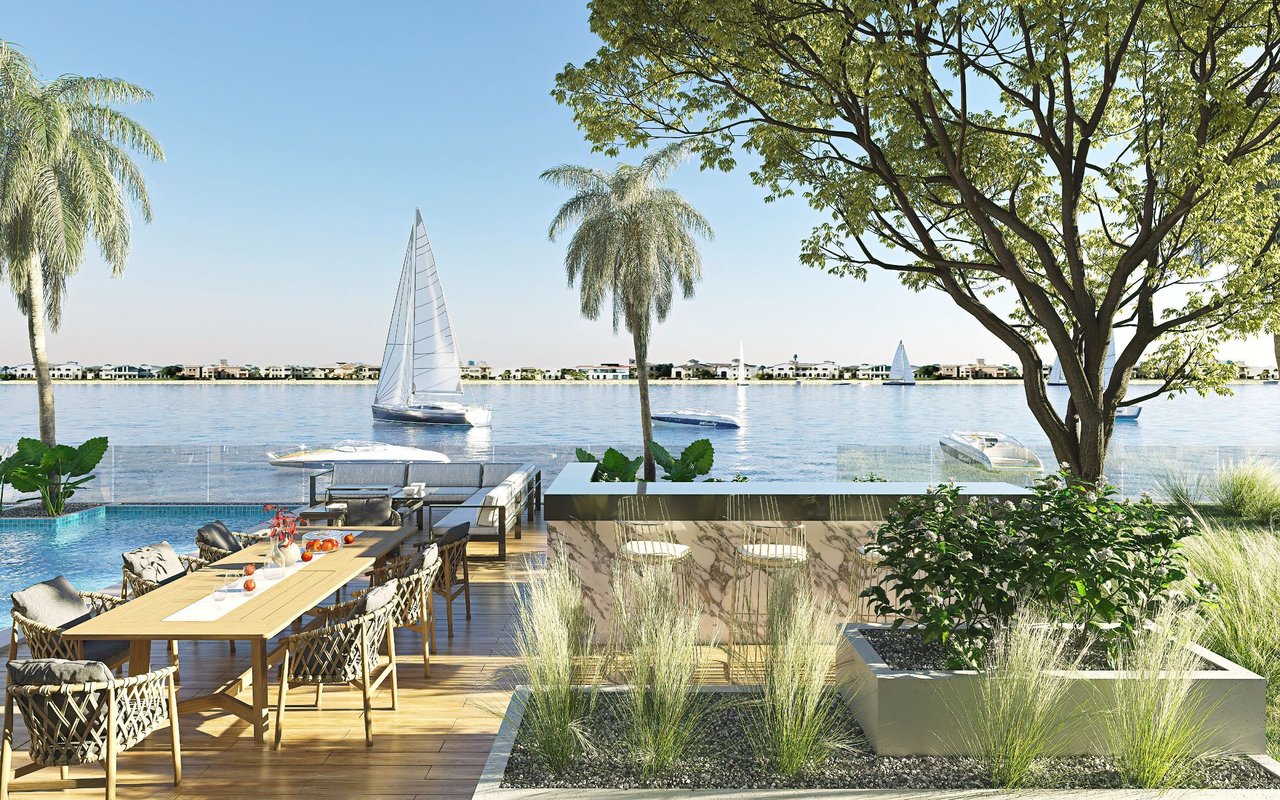
When most buyers search for a home, they focus on the property itself — square footage, layout, finishes, maybe a pool. But seasoned investors and experienced agents know that the neighborhood matters more than the house. You can renovate a kitchen. You can't renovate a location.
Whether you're buying a primary residence, a second home, or a rental property, understanding what makes a neighborhood a good real estate investment is one of the most valuable skills a buyer can develop. Here are seven signs to look for before you fall in love with a listing — with a specific eye toward what these signals look like here in South Florida.
1. A Strong, Diversifying Local Economy
The single biggest long-term driver of real estate value is jobs. Neighborhoods near growing employment centers — hospitals, universities, corporate headquarters, tech and finance hubs — tend to see more consistent demand from both buyers and renters, which supports property values even when broader market conditions soften.
In South Florida specifically, this shows up in the continued in-migration of companies and residents from higher-tax states, particularly the Northeast and Midwest. Areas near major employment corridors in Fort Lauderdale, Boca Raton, and West Palm Beach have benefited from this shift for years now. If you want to understand why this migration trend matters for long-term property values, our post on <a href="https://soflocoastalgroup.com/blog/why-everyone-is-moving-to-southeast-florida-in-2025">Why Everyone Is Moving to Southeast Florida</a> breaks down the drivers behind it.
What to look for: New corporate relocations or expansions nearby, low commercial vacancy rates, and a mix of industries (not reliance on a single employer) that makes the local economy more resilient to downturns.
2. Rising or Stable Buyer Demand — Not Just Rising Prices
Price appreciation alone can be misleading; a neighborhood can see prices spike temporarily due to speculation, then correct sharply. What matters more is sustained demand, which shows up in metrics like days on market, months of supply, and how often homes sell close to (or above) asking price over time.
A neighborhood where homes consistently sell within a reasonable window, without excessive price cuts, signals healthy, durable demand rather than a speculative bubble. This is one reason we track local market conditions closely — our <a href="https://soflocoastalgroup.com/blog/fort-lauderdale-real-estate-market-update-prices-trends-and-predictions">Fort Lauderdale Real Estate Market Update</a> is a good example of the kind of data worth reviewing before you commit to a specific area.
What to look for: Consistent or shrinking days on market over multiple quarters, low percentage of listings with price drops, and steady transaction volume rather than sharp seasonal spikes and crashes.
3. Strong Schools — Even If You Don't Have Kids
School quality is one of the most reliable long-term predictors of neighborhood resale value, and this holds true whether or not the current buyer has children. That's because school ratings directly shape the pool of future buyers: family-oriented buyers, who represent a huge share of the market, will often pay a premium to be in a top-rated school zone, which supports resale value for everyone in that boundary.
What to look for: Consistently high ratings across multiple schools in the zone (not just one standout), stable or growing enrollment, and ongoing investment in school facilities — all signals of a community families are actively choosing to move into.
4. Infrastructure and Development Investment
Neighborhoods that are actively receiving public and private investment — new roads, transit expansion, retail development, parks, or major mixed-use projects — tend to appreciate faster than areas that are static. This kind of investment is often a leading indicator, meaning it shows up in planning stages well before it's reflected in home prices.
We've seen this dynamic play out clearly in areas like Dania Beach, where ongoing development and infrastructure improvements have been steadily reshaping buyer perception and property values. Our breakdown of <a href="https://soflocoastalgroup.com/blog/is-dania-beach-the-best-value-near-the-water-a-real-estate-breakdown-2026">why Dania Beach is becoming one of the best waterfront values in South Florida</a> walks through exactly this kind of infrastructure-driven appreciation story. Similarly, we track new residential development closely because it often signals where buyer demand is heading next — see our roundup of <a href="https://soflocoastalgroup.com/blog/new-construction-communities-to-watch-palm-beach-broward-2026">New Construction Communities to Watch in Palm Beach & Broward County</a> for current examples.
What to look for: Approved or in-progress infrastructure projects, new retail or grocery anchors moving in, transit improvements (like Brightline stations or expanded bus routes), and major mixed-use developments in the planning or construction pipeline.
5. Walkability and Lifestyle Amenities
Buyers and renters increasingly prioritize walkability — proximity to restaurants, parks, grocery stores, and entertainment without needing a car for every errand. Walkable neighborhoods tend to command a premium and hold that premium more consistently over time, because this kind of lifestyle appeal isn't easily replicated by new construction in a less-central location.
This is part of why downtown corridors like Las Olas Boulevard in Fort Lauderdale or Atlantic Avenue in Delray Beach have remained consistently desirable even as broader market conditions shift. Our <a href="https://soflocoastalgroup.com/neighborhoods">Neighborhood Guides</a> break down the walkability and lifestyle profile of different South Florida areas so you can compare before you commit.
What to look for: A genuine mix of daily-use amenities within walking distance (not just bars and restaurants), sidewalks and pedestrian infrastructure, and a visible sense of foot traffic and community activity at different times of day.
6. Insurance Costs and Flood Zone Designation
This is a South Florida-specific factor that out-of-state buyers often underestimate — and it can significantly affect both your ongoing costs and the property's long-term marketability. Homes in high flood-risk zones or older buildings with outdated wind mitigation features can carry meaningfully higher insurance premiums, which directly impacts affordability for future buyers and, by extension, resale value.
Conversely, neighborhoods with newer construction built to modern hurricane codes, or homes with strong wind mitigation features, tend to be more insurable and more attractive to buyers navigating today's insurance market. Our <a href="https://soflocoastalgroup.com/blog/homeowners-insurance-south-florida-what-to-budget-2026">Homeowners Insurance in South Florida guide</a> covers exactly what to budget for and how to evaluate this before you buy.
What to look for: The FEMA flood zone designation for specific properties (not just the general area), the age and construction type of homes in the neighborhood, and whether recent insurance quotes for comparable properties seem reasonable relative to the home's value.
7. Healthy HOA and Condo Association Finances
If you're buying a condo, townhome, or a home in an HOA-governed community, the association's financial health is just as important as the property itself. A poorly funded reserve account can mean a large, unexpected special assessment down the road — which not only costs current owners money but can also depress resale value if buyers become wary of the building.
This has become an especially important factor in Florida's condo market following statewide reserve funding requirements that took effect in recent years, which pushed many older buildings to catch up on deferred maintenance funding all at once. Neighborhoods and buildings that were proactive about reserves are generally in a much stronger position than those still working through the catch-up process.
What to look for: A recent reserve study and, for condos, milestone inspection results; the percentage of reserves that are fully funded versus underfunded; and a history of reasonable, incremental dues increases rather than sudden special assessments.
Putting It All Together: How to Evaluate a Neighborhood Like an Investor
No single factor tells the whole story — the strongest neighborhoods tend to check several of these boxes at once. A helpful exercise before making an offer:
- Pull recent sales data for the specific neighborhood, not just the broader city, and look at days on market and price-drop frequency over the last 12–24 months.
- Research planned infrastructure or development projects through the local city or county planning department.
- Check school ratings for the specific zoned schools, not just the district average.
- Get an insurance quote for the specific property before you're under contract, not after.
- For condos and HOA communities, request the most recent reserve study, budget, and minutes from board meetings.
- Walk the neighborhood at different times of day to get a feel for foot traffic, noise, and general upkeep.
If you're comparing multiple areas, our guides on <a href="https://soflocoastalgroup.com/blog/fort-lauderdale-vs-miami-which-south-florida-city-is-right-for-you">Fort Lauderdale vs. Miami</a> and <a href="https://soflocoastalgroup.com/blog/best-gated-communities-in-broward-county-ranked-for-2026">Best Gated Communities in Broward County</a> apply this same investment-minded lens to help you compare specific areas side by side.
Frequently Asked Questions
What is the single most important factor in a neighborhood's investment potential? There isn't one universal answer, but sustained buyer demand — reflected in consistent days on market and low price-drop frequency — is one of the most reliable indicators, since it reflects real market behavior rather than a single data point like a price spike.
Are up-and-coming neighborhoods a good investment, or should I stick to established areas? Both can work well, but they carry different risk profiles. Established neighborhoods offer more predictable appreciation and lower risk, while up-and-coming areas can offer higher upside if the infrastructure and development signals are genuinely strong — but they also carry more uncertainty if planned projects stall.
How much does flood zone designation really affect resale value in South Florida? It can matter significantly, both through direct insurance costs and through buyer psychology — properties in higher-risk zones may see a smaller buyer pool or require more price flexibility to sell, especially as insurance costs continue to be a bigger part of the affordability conversation.
Should I avoid buying in an HOA community with a known special assessment? Not necessarily, but you should factor the full cost into your offer and financing plan. A community actively addressing deferred maintenance through a assessment may actually be in a stronger long-term position than one that continues to defer it.
Let SoFlo Coastal Group Help You Make the Move
Evaluating a neighborhood's investment potential takes more than a quick drive-through — it takes local market data, insurance insight, and a clear read on where development and demand are heading next. That's exactly the kind of guidance our team provides for every buyer we work with, whether you're purchasing a primary residence, a second home, or a rental property.
Ready to find a neighborhood that fits both your lifestyle and your long-term investment goals? Browse current opportunities on our <a href="https://soflocoastalgroup.com/home-search/">Home Search page</a>, explore our full <a href="https://soflocoastalgroup.com/neighborhoods">Neighborhood Guides</a> to compare areas side by side, or <a href="https://soflocoastalgroup.com/contact">get in touch</a> and let's talk through exactly what to look for based on your budget, goals, and timeline.
Disclaimer: This article is for educational purposes only and is not financial or investment advice. Real estate market conditions, insurance requirements, and HOA regulations change frequently — always verify current information with a local real estate professional before making a purchasing decision.
📲 Melissa Naman, REALTOR® | The SoFlo Coastal Group Buy, Sell, Rent & Invest in Southeast Florida Call/Text: 732-754-9323 | Instagram: @melissa.buy.sell.invest
Whether you're a first-time homebuyer, a seasoned investor, or planning a move to Florida, I'm here to guide you through each milestone with clarity and confidence.