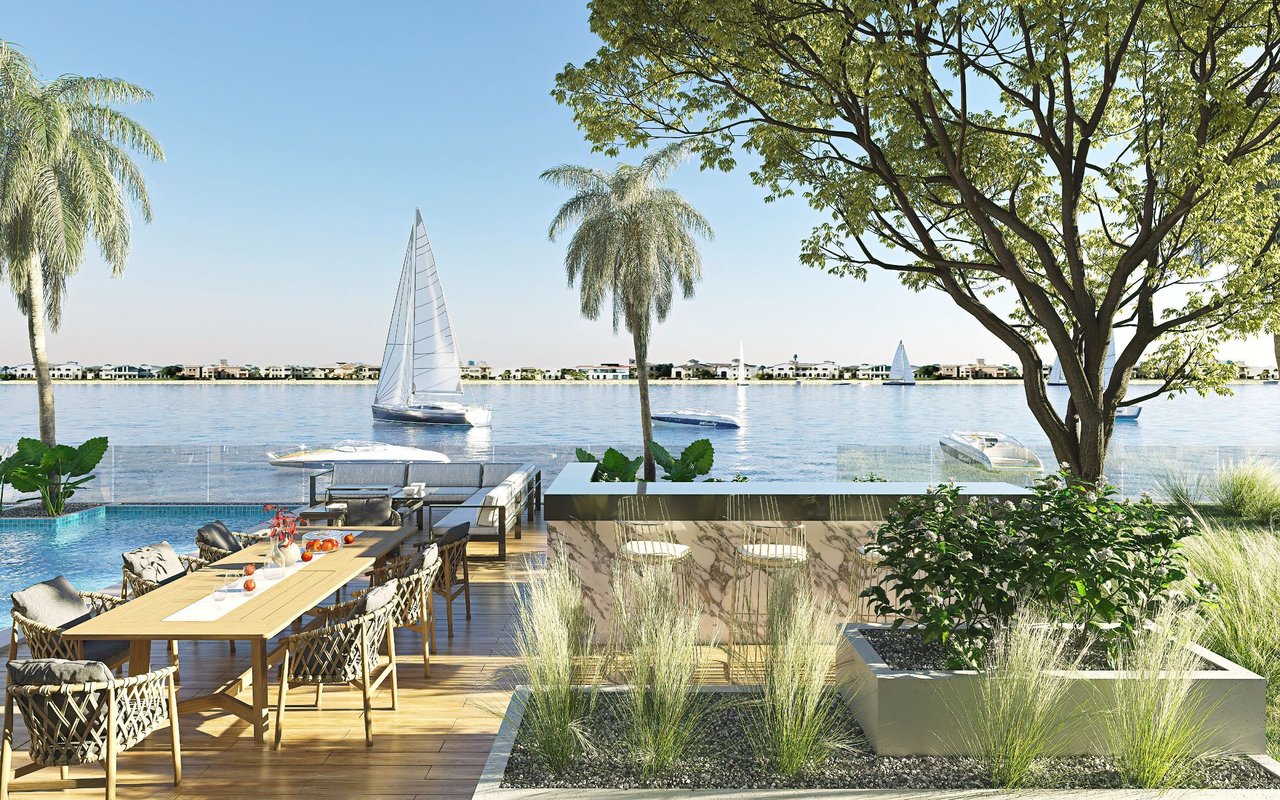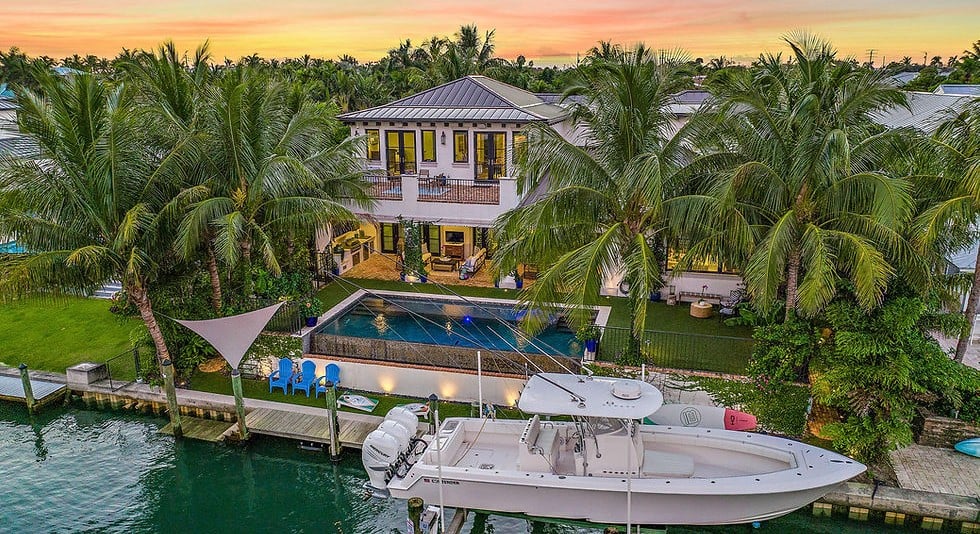
There's a reason waterfront property is the first thing most out-of-state buyers ask about when they picture South Florida living. A canal in the backyard, a dock for the boat, sunset views over the Intracoastal — it's the lifestyle people move here for. But before you fall in love with a listing photo, it's worth understanding what that water view actually costs you over time, and how it compares to buying just a few blocks inland.
As a Realtor working across Palm Beach and Broward County, I get some version of this question almost every week: "Is waterfront actually worth it?" The honest answer is. it depends on your budget, your goals, and how much maintenance you're willing to take on. Here's how the two options stack up.
1. The Price Premium You're Paying For
Waterfront property in Palm Beach and Broward carries a significant premium over comparable non-waterfront homes — often well beyond what the extra land or dock adds in raw value. You're paying for scarcity (there's only so much shoreline), the view, and direct water access for boating.
That premium varies a lot depending on:
- Ocean access vs. no ocean access — a canal that connects to the Intracoastal and out to the ocean without fixed bridges commands far more than a landlocked lake or a canal with low bridge clearance.
- Seawall condition and dock rights — older or deteriorating seawalls can turn into a five- or six-figure repair, and it's a cost many first-time waterfront buyers don't budget for.
- Flood zone designation — waterfront homes are almost always in a higher-risk flood zone than homes even a short distance inland, which feeds directly into your insurance costs (more on that below).
If you're weighing whether a specific neighborhood justifies that premium, our guide on what makes a neighborhood a good investment walks through the signs worth paying attention to before you commit.
2. Insurance: The Real Cost Difference
This is where the gap between waterfront and non-waterfront ownership shows up most clearly, and it's the part buyers are most often surprised by after closing.
Waterfront homes typically require:
- Flood insurance through NFIP or a private carrier, often at higher premiums due to elevated flood risk
- Windstorm coverage that factors in direct exposure to storm surge
- Higher replacement-cost estimates on homeowners policies, since waterfront homes tend to be larger or more customized
- In some cases, separate coverage or riders for docks, seawalls, and boat lifts, which standard policies don't always include
Non-waterfront homes, particularly those set back from canals and outside the highest-risk flood zones, generally see lower flood premiums and more competitive windstorm rates — though in South Florida, almost no property is entirely exempt from hurricane-related coverage costs.
Because insurance underwriting in Florida has tightened significantly in recent years, it's worth getting a real quote before you write an offer, not after. For a fuller breakdown of what to expect across the board, see our post on homeowners insurance in South Florida and what buyers need to budget for in 2026.
3. Appreciation: Does Waterfront Actually Outperform?
Historically, waterfront property in Palm Beach and Broward has held its value well and, in strong markets, has appreciated faster than inland comparables — the supply of true waterfront lots is fixed, and demand from relocating buyers, retirees, and investors consistently outpaces it.
But appreciation isn't guaranteed to be smooth or fast. A few things to keep in mind:
- Waterfront markets can be more volatile. Because the buyer pool for high-end waterfront is smaller and more discretionary, these homes can sit longer in a slower market and see sharper price swings than entry-level or mid-market inland homes.
- Insurance and climate costs are starting to factor into buyer decisions. As premiums rise, some buyers are shifting demand toward homes with lower carrying costs, which can soften appreciation at the margins for the most exposed waterfront properties.
- Non-waterfront homes in strong school districts or walkable downtown areas (think parts of Delray Beach, West Palm Beach, or Fort Lauderdale's inland pockets) have shown steady, more predictable appreciation, often with a much lower barrier to entry.
If you're comparing the two purely as an investment, it's worth reviewing current numbers rather than relying on assumptions — our post on renting vs. buying in South Florida and what the 2026 numbers actually say is a good companion read.
4. Maintenance: What You're Signing Up For
This is the category buyers underestimate the most.
Waterfront maintenance typically includes:
- Seawall inspections and eventual repair or replacement
- Dock, dock piling, and boat lift upkeep
- More frequent exterior maintenance due to salt air exposure (corrosion on railings, AC units, pool equipment, and fixtures)
- Landscaping suited to brackish or salt-adjacent soil conditions
- Periodic dredging in some canal communities, depending on HOA or municipal responsibility
Non-waterfront maintenance is closer to standard Florida homeownership: roof upkeep, AC servicing, and general wear — still real costs, but without the marine-specific expenses layered on top.
None of this means waterfront isn't worth it. For many buyers, the lifestyle and long-term value make the extra upkeep an easy trade-off. But it should be a budgeted, expected cost, not a surprise in year two of ownership. This ties closely into the other line items buyers tend to miss entirely — we cover more of those in hidden costs of buying a home in South Florida that most buyers forget.
5. So, Which One Is Right for You?
There's no universal right answer, but a few quick guidelines:
- Choose waterfront if: you boat or plan to, you want maximum resale appeal to future luxury buyers, and you can comfortably absorb higher insurance and maintenance costs without it affecting your overall budget.
- Choose non-waterfront if: you want more predictable carrying costs, you're prioritizing walkability or school districts over water access, or you're buying an investment property where cash flow matters more than lifestyle appeal.
- Consider a hybrid: homes on a lake, a non-navigable canal, or "water view" (rather than direct water access) properties can offer a middle ground — some of the aesthetic appeal with a smaller jump in insurance and maintenance cost.
Ready to Compare Specific Properties?
Numbers on a page only tell part of the story — the right answer really depends on the specific neighborhood, flood zone, and property. If you're weighing waterfront against non-waterfront options in Palm Beach or Broward County, I'm happy to pull comparables, walk you through real insurance quotes, and help you figure out what actually makes sense for your goals.
Browse current listings or let's connect to talk through your options.
If you're considering a waterfront property as a short-term rental investment, don't miss our free Airbnb income analysis to see what it could realistically earn.