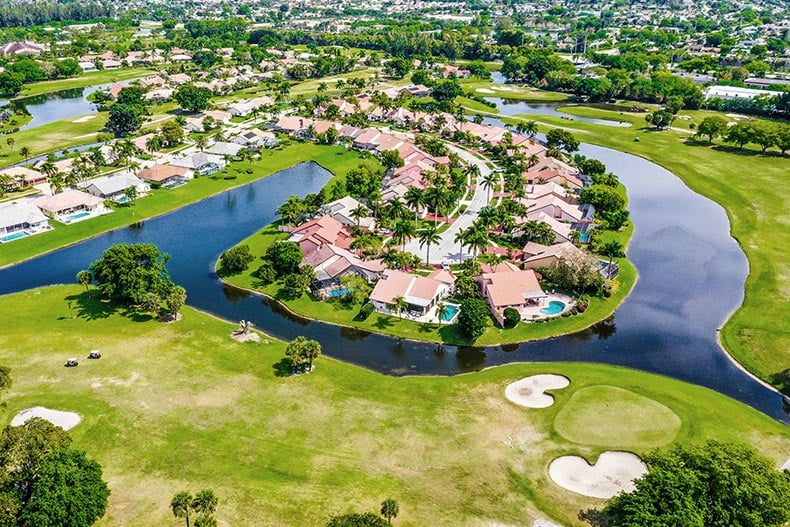
If you've spent any time house-hunting in Palm Beach or Broward County, you've probably noticed how many listings sit behind a guard gate or an electronic entry arm. Gated communities are everywhere in South Florida, and for good reason — they offer security, resort-style amenities, and a sense of predictability that's hard to find in open neighborhoods. But that lifestyle comes with a trade-off: HOA fees, rules, and restrictions that can catch new buyers (and rental property owners) off guard.
Whether you're relocating from out of state, buying a second home, or evaluating a property as a rental investment, this guide breaks down exactly what to expect from gated community living in South Florida — from what your HOA dues actually cover to how gate restrictions can affect a rental property's income potential.
Why Gated Communities Are So Popular in South Florida
South Florida's gated communities aren't just about privacy — they're a lifestyle package. Buyers are drawn to:
- Security and controlled access — manned gates, key fob or code entry, and 24/7 patrol in many higher-end communities
- Resort-style amenities — pools, clubhouses, tennis and pickleball courts, fitness centers, and in some cases golf courses or marinas
- Consistent property standards — HOA-enforced landscaping, exterior maintenance, and architectural guidelines that help protect home values
- A built-in social community — especially appealing to retirees and seasonal residents
This is one reason gated communities dominate so many of the "best neighborhoods" conversations across Palm Beach and Broward County. If you want to see specific examples ranked by amenities, price point, and location, our breakdown of the best gated communities in Broward County and our guide to the best gated communities in Southeast Florida for families are great places to start.
Understanding HOA Fees: What You're Actually Paying For
HOA (Homeowners Association) fees are the most common source of confusion — and sticker shock — for buyers new to South Florida. Unlike some states where HOA dues are minimal, South Florida HOA and condo association fees can range widely depending on the type of community and what it offers.
These numbers move around based on age of the community, size of the amenity package, and how well-funded the association's reserves are. Older condo buildings, in particular, have seen fee increases in recent years tied to Florida's structural inspection requirements and insurance costs — something we cover in more detail in our post on homeowners insurance in South Florida and what buyers need to budget for in 2026.
What HOA Fees Typically Cover
- Guard gate staffing or electronic access system maintenance
- Landscaping and irrigation for common areas
- Amenity upkeep (pools, courts, clubhouses, fitness centers)
- Master insurance policies (common in condo/townhome associations)
- Reserve funds for future repairs (roofs, roads, gates, pools)
- Sometimes: basic cable, internet, or trash service
What HOA Fees Usually Do NOT Cover
- Your individual homeowners insurance policy
- Property taxes
- Interior maintenance or repairs
- Special assessments for major capital projects (a big one to ask about — more below)
Before making an offer, always request the HOA's most recent financial statements, reserve study, and meeting minutes. This is one of the most overlooked steps buyers skip, and it's directly tied to some of the hidden costs of buying a home in South Florida that most buyers forget.
Special Assessments: The Fee Nobody Warns You About
A special assessment is a one-time (or sometimes recurring) charge levied by the HOA or condo board to cover costs the reserve fund doesn't. In South Florida, this has become especially common in condo and townhome buildings due to new state-mandated structural integrity reserve requirements following recent building safety legislation. Special assessments can range from a few hundred dollars to tens of thousands, depending on the scope of the project.
Before buying into any gated community, ask your agent to pull:
- The HOA's reserve study and funding percentage
- Any pending or recently approved special assessments
- Litigation history involving the association
- The community's insurance renewal history
This due diligence step matters just as much for a primary residence as it does for an investment property, and it's a core part of what we walk buyers through when evaluating what makes a neighborhood a good investment.
Amenities: What "Resort-Style" Actually Means
Not all gated communities are created equal, and the term "amenities" covers a huge range of offerings. Here's what you'll typically find, organized by tier:
Standard package:
- Community pool
- Basic fitness room
- Playground or dog park
- Guard-gated or virtual entry
Mid-tier package:
- Clubhouse with event space
- Tennis and/or pickleball courts
- Walking/biking trails
- On-site management office
Luxury/resort-tier package:
- Golf course access or membership
- Marina or boat dockage
- Full-service spa or wellness center
- Concierge and valet services
- Multiple pools (lap pool, resort pool, kids' pool)
If waterfront access or boat dockage is a priority, it's worth reading our guide on buying a waterfront home with boat dockage in South Florida, since many gated waterfront communities bundle dockage rights into HOA membership rather than deeding it separately.
Rules and Restrictions to Expect
Gated community living means signing on to a set of Covenants, Conditions & Restrictions (CC&Rs). These vary by community, but common rules include:
- Rental restrictions — minimum lease terms (30, 90, or 180 days), caps on the number of rentals allowed per year, or approval processes for tenants
- Architectural review — required approval for exterior changes, paint colors, landscaping, and even hurricane shutters
- Pet restrictions — breed or weight limits are still common in some HOAs
- Parking rules — restrictions on commercial vehicles, RVs, or boats parked in driveways
- Guest and vendor policies — many gated communities require guests to be pre-registered or announced at the gate
What Rental Property Owners in South Florida Need to Know
If you're a South Florida rental property owner — or considering becoming one — gated communities require an extra layer of due diligence beyond what a typical buyer needs. Rental restrictions written into the HOA's governing documents can significantly impact your income strategy, so this is where working with an agent who understands both real estate and short-term rental operations really pays off.
Key questions to ask before buying a gated property as a rental:
- Does the HOA allow short-term rentals at all? Many gated single-family HOAs cap rentals at 30, 90, or even 180-day minimums, which rules out Airbnb-style stays entirely.
- Is there a cap on the number of rentals per year or per owner? Some associations limit how many times a unit can be leased annually, regardless of lease length.
- Is there a tenant approval or screening process? Boards can slow down turnover, which matters for cash flow.
- Are guests required to be registered at the gate? This can be a friction point for short-term guests unfamiliar with the process.
- What's the special assessment history? An unexpected assessment can eat into a full year of rental income.
For out-of-state investors specifically, this is often the single biggest gap in planning — assuming a property will cash-flow as a short-term rental without confirming the HOA even permits it. We break this down further in STR vs. mid-term vs. long-term: what's right for your Florida investment and in our county-specific breakdown of Palm Beach County short-term rental rules. If Fort Lauderdale or Broward is more your target market, our Airbnb rules in Fort Lauderdale guide covers city-level regulations that stack on top of HOA restrictions.
For a broader look at how condo and townhome associations specifically treat short-term rentals — which is often stricter than single-family gated HOAs — see pros and cons of buying in a condo community for Airbnb in Southeast Florida.
Gated Community vs. Non-Gated: Is the Premium Worth It?
Homes in gated communities typically carry a price premium over comparable non-gated homes nearby, and that premium usually shows up in HOA dues too. Whether it's worth it depends on your priorities:
Gated communities make sense if you want:
- Predictable neighborhood standards and appearance
- Built-in amenities without maintaining them yourself
- Added security and controlled access
- A stronger sense of community, especially for retirees or seasonal residents
Non-gated might make more sense if you want:
- Lower monthly carrying costs
- Fewer rental restrictions (important for STR investors)
- More flexibility on renovations and exterior changes
- Faster, less restricted guest and vendor access
If you're still weighing renting versus buying in general before committing to an HOA lifestyle, our current market breakdown on renting vs. buying in South Florida: what the 2026 numbers actually say is a useful starting point.
Questions to Ask Before You Buy in a Gated Community
Bring this list to any showing or ask your agent to request it during due diligence:
- What is the current monthly HOA/condo fee, and has it increased in the past 3 years?
- Are there any pending or upcoming special assessments?
- What percentage funded is the reserve account?
- What are the rental restrictions, if any?
- Are there current or past lawsuits involving the association?
- What's included in the fee versus billed separately (insurance, cable, trash)?
- What's the guest/vendor access policy?
- Are there pet, parking, or architectural restrictions I should know about?
Final Thoughts
Gated community living in South Florida offers real lifestyle and security benefits, but the HOA fees, rules, and rental restrictions are not something to skim over — especially if you're relocating from out of state or evaluating a property as an investment. The right community for a full-time homeowner looking for peace of mind can be the wrong community for a rental property owner chasing cash flow, and vice versa.
If you're weighing gated communities across Palm Beach or Broward County — whether as a primary residence, second home, or rental investment — I'd be happy to walk through specific communities, HOA documents, and rental restrictions with you. You can browse current listings through our home search tool, explore neighborhood guides across South Florida, or get in touch directly to talk through what fits your goals best.
Melissa Naman is a REALTOR® and vacation rental expert based in Palm Beach County, helping buyers, sellers, and investors navigate South Florida real estate — including gated community purchases and short-term rental properties. Learn more about working with Melissa.